Meta最新決定部署「數以百萬計」的英偉達AI晶片,似乎正穩定AI硬件股市場情緒,有助納指早前因過度擴張憂慮而回調後形成潛在底部。即使Meta股價略為受壓,但英偉達股價在消息公布表現硬淨,整體AI板塊及納指均造好,凸顯超大型科企資本開支對市場走向仍舉足輕重。
Meta已擴大與英偉達長期合作夥伴關係,計劃在數據中心全面部署數以百萬計的Blackwell及Rubin GPU,連同英偉達CPU及網絡設備,用於訓練及推理工作等,分析員估計,此協議在數年內帶來的價值可能高達數百億美元,成為歷來最大規模AI基建交易之一。
消息公布後,不單推動英偉達股價上揚,納指與AI相關個股亦反彈,投資者解讀對AI需求持續增長信心未變,更絶非短期實驗。然而,AMD股價則因市場憂慮Meta加大對英偉達投入,難免拖累AMD GPU銷售下滑。
Meta資本開支近翻倍
Meta資本開支計劃顯示,整個高端運算生態需求正在擴大,而非僅局限英偉達。Meta目前預計今年資本開支介乎1150億至1350億美元,較2025年約720億美元近乎翻倍,用於加快旗下超級智能實驗室(Super intelligence Labs)及核心應用程式興建等基礎建設。
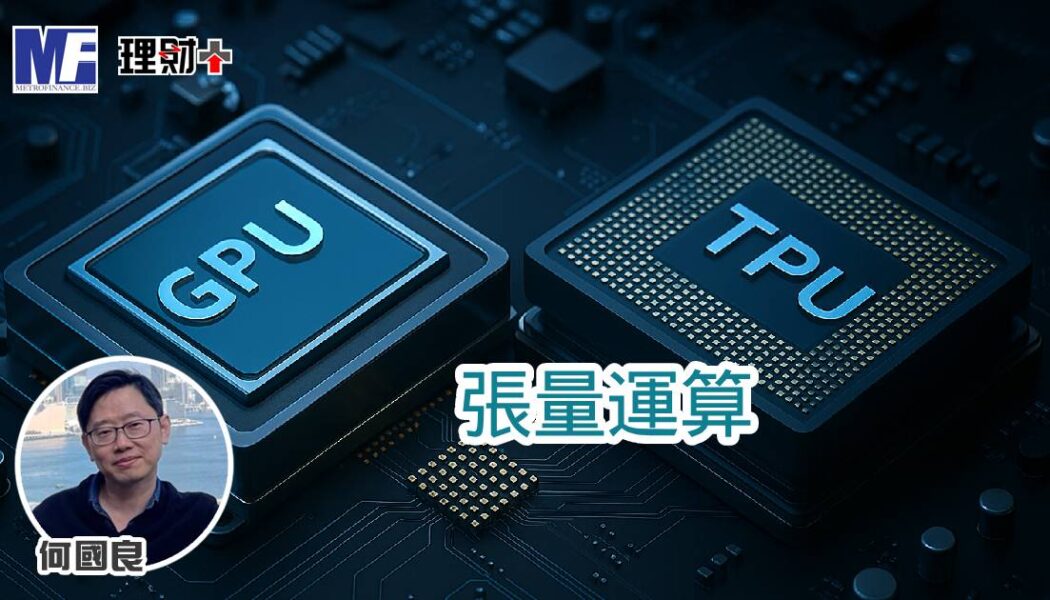
若管理層最終如外界預測,到2028年累計投入約6,000億美元,到2027至2028年則有數千億美元有待部署,有望為AMD的MI系列加速器、Google TPU、自研晶片及其他專用晶片的額外訂單提供充裕空間。鑑於AMD與科企已建立穩固關係,若即將推出的MI-450及後續GPU在效能和能效方面具備競爭力,仍可贏得可觀的Meta訂單量。
自一月底以來,投資者一直擔心大型科企「超大型雲端服務商」在AI數據中心上過度投資,觸發AI股回調,令納指年初至今錄得輕微跌幅。預測現時指向四大超大型雲端服務商2026年資本開支合共約7000億美元,較2025年增長逾半,其中約四分之三直接與AI基建有關,包括GPU、伺服器及新數據中心建設。
AI硬件股業績能見度清晰
如此龐大資本開支,但卻引發回報或令人失望的憂慮,令市場聯想起過往電訊及雲端過度投資的週期。然而,對於晶片及設備供應商來講,同一輪開支熱潮,意味未來數年訂單更強勁,尤其是在先進AI GPU的供應仍然結構性不足的情況下,也暗示業績能見度變得清晰。
一旦AI過度投資憂慮消退,供應AI基建企業,包括英偉達、台積電、AMD及其他主要半導體及設備股,將有望在雲端平台之前率先反彈。硬件供應商透過付運及長期供應協議即時變現,超大型雲端服務商則需要更長時間來證明大規模AI部署能帶來理想回報。
在此背景下,Meta對Nvidia作出的多年期承諾,與其說是集中風險訊號,不如說是超大型雲端服務商有意從每個供應商,盡可能採購最多高效能運算資源。至於近期AI相關股份調整,應解讀是一輪強勁資本開支週期中的喘息,而非AI投資熱潮終結。
Meta’s latest decision to deploy “millions” of Nvidia AI chips appears to be stabilizing sentiment in AI hardware stocks and helping the Nasdaq form a potential bottom after its recent pullback on overexpansion fears. Nvidia shares rose slightly on the news, even as Meta’s stock dipped a little, and the broader AI complex and Nasdaq firmed, highlighting how pivotal hyperscaler capex remains for market direction.
Meta–Nvidia deal and market reaction
Meta has expanded its long‑term partnership with Nvidia to roll out millions of Blackwell and Rubin GPUs, alongside Nvidia CPUs and networking gear, across its data centres for training and inference workloads. Analysts estimate the agreement is likely worth tens of billions of dollars over several years, making it one of the largest AI infrastructure deals.
This announcement helped lift Nvidia’s share price on the day, while the Nasdaq and AI‑linked names also bounced as investors interpreted the move as a vote of confidence in sustained AI demand rather than a short‑term experiment. AMD, however, traded lower on concern that Meta’s larger Nvidia commitment could crowd out some of its own GPU sales in the near term.
Implications for AMD and other chipmakers
Meta’s capex plans suggest demand is expanding for the entire high‑end compute ecosystem, not just Nvidia. For 2026, Meta now guides capital expenditure to a range of 115–135 billion dollars, almost doubling from roughly 72 billion dollars in 2025 as it accelerates AI data‑centre build‑out for its Superintelligence Labs and core apps.
If management ultimately spends around 600 billion dollars cumulatively by 2028 as some external projections imply, that leaves hundreds of billions still to deploy in 2027–2028, creating ample room for additional orders of AMD’s MI‑series accelerators, Google TPUs, in‑house silicon and other specialty chips. Given AMD’s established relationships with hyperscalers, it can still win substantial Meta volumes if its upcoming MI‑450 and successor GPUs deliver competitive performance and efficiency.